
YOUR HEART DOES NOT HAVE THE STRENGTH TO PUSH BLOOD UPWARD

 ❤️🦵 YOUR HEART DOES NOT HAVE THE STRENGTH TO PUSH BLOOD UPWARD

What It Really Means — and How to Fix It Naturally
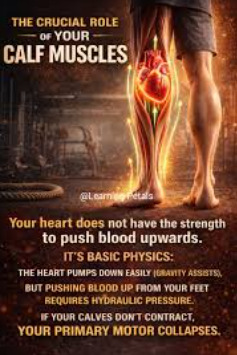
Many people experience cold feet, numb legs, swelling, or visible veins, especially after standing or sitting for long periods. This often leads to a common belief: “My heart is too weak to push blood back up from my legs.”
But the truth is more interesting — and more hopeful.

🫀 The Truth About Blood Flow From Your Legs

Your heart does not work alone to move blood upward. Blood in the legs returns to the heart thanks to:

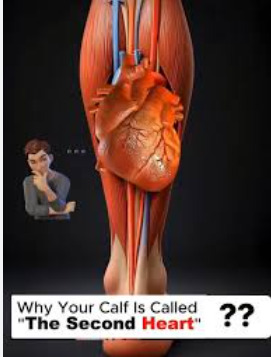
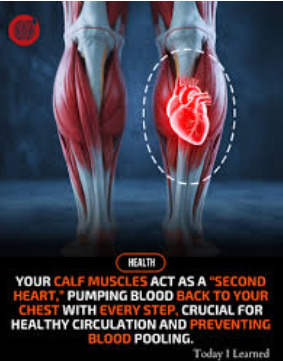
Leg muscles acting like pumps

One-way valves inside veins

Healthy blood vessels

Regular movement and gravity assistance

When any of these systems weaken, blood can pool in the legs — causing discomfort and circulation problems.
🚨 Common Signs of Poor Lower-Body Circulation

Heavy or tired legs

Swelling in ankles or calves

Cold feet or tingling sensations

Varicose or spider veins

Muscle cramps, especially at night

These symptoms are common, especially in people who sit long hours, stand all day, or don’t move enough.

🌿 How to Improve Blood Flow Naturally
4
1️⃣ Move Your Legs Daily

Walking, stretching, and light leg exercises activate the calf muscle pump, helping blood travel upward.

2️⃣ Elevate Your Legs

Raising your legs above heart level for 10–20 minutes a day helps gravity drain pooled blood.

3️⃣ Strengthen Blood Vessels With Nutrition

Foods rich in antioxidants and minerals support circulation:

Leafy greens

Berries

Garlic

Ginger

Citrus fruits

4️⃣ Stay Hydrated

Thick blood flows more slowly. Drinking enough water improves circulation efficiency.

5️⃣ Use Compression Support (When Needed)

Compression socks gently assist veins in moving blood back toward the heart.

🧠 Important Reminder

Poor circulation does not always mean a weak heart. In many cases, it’s a lifestyle and movement issue, and small daily habits can create big improvements.

If symptoms are severe, painful, or worsening, medical advice is always recommended.
❤️ Final Thought

Your body is designed to help blood move upward — it just needs movement, support, and care.
Start with small changes, stay consistent, and your legs (and heart) will thank you.

Comments

Popular posts from this blog

The Solar Anchor: 7 Signs of a Vitamin D Drought

  Many of us grew up calling Vitamin D the sunshine vitamin, and that old wisdom still holds true. As the years pass, our bodies become a little less efficient at turning sunlight into this essential nutrient, and it can quietly slip below where we need it to be. When that happens, everyday comfort, energy, and resilience can feel like they are moving into a long winter. You don’t have to accept that as the new normal. By understanding how Vitamin D supports bones, muscles, mood, and immunity, you can take steady, sensible steps to bring your spark back. Think of Vitamin D as a steady anchor between your body and the light. It helps your gut pull calcium from food, it keeps bones strong, it supports muscle strength, and it even plays a role in how your immune system learns to respond. Low levels can look and feel like many other issues, which is why people sometimes chase remedies for fatigue, mood, or aches without realizing that their Vitamin D “anchor” has loosened. The signs be...

Olejek goździkowy dla skóry: domowy przepis na nawilżenie i poprawę blasku.

  Drobne zmarszczki, suchość i matowy wygląd to częste zmiany skórne, zwłaszcza związane z wiekiem, częstą ekspozycją na słońce, niedostatecznym nawilżeniem i stosowaniem agresywnych produktów. Dlatego proste przepisy z wykorzystaniem olejów roślinnych często trafiają do osób ceniących naturalną i ekonomiczną pielęgnację. Jednym z najpopularniejszych połączeń jest olejek goździkowy z oliwą z oliwek lub olejem jojoba. Chociaż w mediach społecznościowych często nazywany jest „olejem botoksowym”, to nazwa ta jest jedynie popularnym porównaniem. Mieszanka nie zastępuje toksyny botulinowej ani nie wygładza zmarszczek. Jej główny efekt kosmetyczny wynika z nawilżenia zapewnianego przez olej roślinny, który może tymczasowo zmiękczyć skórę, rozjaśnić ją i zredukować widoczność zmarszczek. Przepis na olejek goździkowy do twarzy. siekać 1 łyżka całych goździków 3 łyżki oleju jojoba lub oliwy z oliwek extra virgin 1 mała szklana butelka, czysta i sucha. Olej jojoba jest zazwyczaj najdelikatni...

Lekarze ukrywają szokującą moc oleju rycynowego w wygładzaniu oczu

  Olej rycynowy jest promowany jako butelka, która może przywrócić ostrość widzenia zamglonym oczom, uspokoić zaschnięty brud wokół powiek i sprawić, że zmęczone oczy znów będą ostre. To twierdzenie — i jest ono bezpodstawne, bo każdy, kto budzi się z zamglonymi powiekami, lepkimi rzęsami lub uczuciem zamglenia i półotwartych powiek, doskonale wie, jak okropne to jest. Późnym popołudniem oczy są podrapane, suche i przemęczone, jakby patrzyły przez kurz zamiast przez powietrze. Pocierasz je, mrugasz mocno, a świat i tak wydaje się lekko rozmazany, jakby tłusty odcisk palca przeciągnął się po soczewce twojego dnia. To, co ta gigantyczna machina do pielęgnacji oczu ledwo szepcze, to fakt, że twoje oczy nie potrzebują więcej zabiegów – potrzebują, aby powierzchnia przestała wysychać, a cienka warstwa ochronna nie zapadała się pod wpływem nacisku. Właśnie tutaj olej rycynowy skupia na sobie całą uwagę: nie jako cud, ale jako gruba, uszczelniająca tarcza, która zmienia zachowanie powierz...