The LEAF that destroys cancer and doctors don't tell you about! Barbara O'Neill: Discover the SECRET! Need to express something to keep getting my recipes.... Thank you
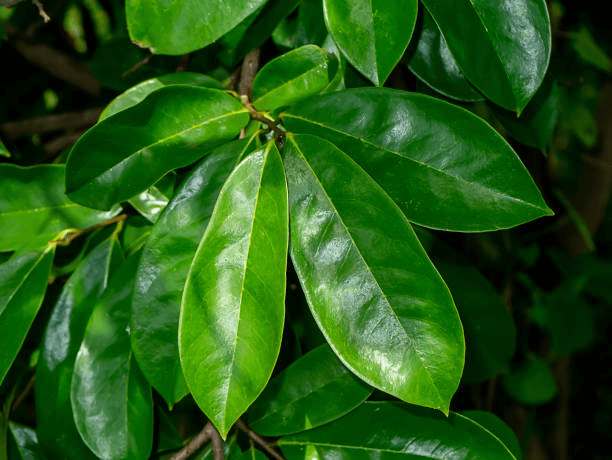
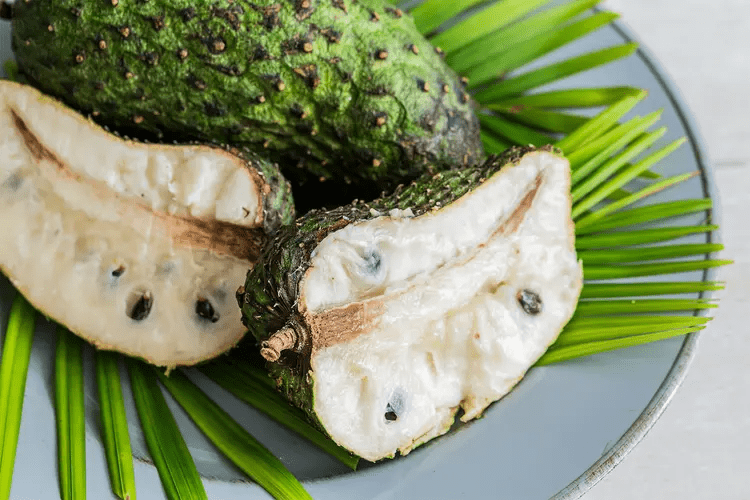
Imagine wandering through a tropical market, the air filled with the sweet, tangy scent of exotic fruits, when you spot a spiky green gem—soursop, also known as graviola or guyabano. Now picture plucking its glossy leaves, steeping them into a warm tea that carries an earthy aroma promising hidden vitality. What if this simple leaf held compounds that research suggests might support your body’s defenses? You’ve likely heard whispers of its “miraculous” properties, especially against serious illnesses. But let’s uncover the facts together. You’re about to explore emerging science on soursop leaves, though remember, nature’s gifts complement—not replace—proven care.Fruits & Vegetables
Soursop leaves have sparked curiosity worldwide, often touted online as a suppressed secret. Many over 45 face health concerns, seeking natural boosts amid fatigue or worry. Studies estimate millions explore herbal options yearly, drawn to antioxidant-rich plants.Tea
Yet the challenge? Bold claims outpace evidence, leaving confusion. Have you wondered why doctors hesitate to endorse certain remedies? It’s because promising lab results don’t always translate to humans.
Intrigue builds here: preliminary research hints at potential, but experts urge caution. Ready for a balanced countdown of what science suggests about soursop leaves?
Why Soursop Leaves Capture Attention
Consider Maria, a 58-year-old from Florida, feeling drained and anxious about family health history. She tried soursop tea after hearing stories, noting subtle energy shifts—though individual experiences vary.
This echoes traditional use in tropical regions, where leaves brew for relaxation or digestion. But modern interest focuses on compounds like annonaceous acetogenins.Science
The unbelievable hook? Lab tests show intriguing effects, yet human proof lags. What’s the first potential perk?Health
10. Rich in Antioxidants for Daily Vitality
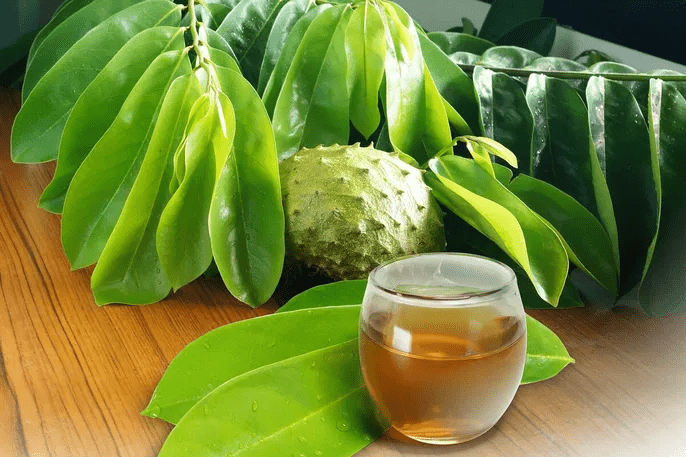
Envision sipping tea with a mild, herbal taste, antioxidants washing through like a gentle cleanse. Soursop leaves contain vitamin C and polyphenols that may combat oxidative stress.
Research indicates these could support cellular health broadly. Imagine that subtle refreshment aiding resilience.
You might think, “Just another tea?” Emerging data suggests unique profiles. But next comes immune intrigue.
9. Potential Immune System Support
Picture your body fortified, the warm liquid evoking comfort on cooler days. Compounds may modulate immune responses in lab models.Herbs & Spices
Studies show enhanced cytokine production, hinting at balance. Feel that inner strength building?
Perhaps wondering about colds—preliminary, promising. Inflammation reduction follows.
8. May Help Ease Inflammation
Recall soothing aches with nature’s touch, leaves’ earthy scent calming. Acetogenins exhibit anti-inflammatory effects in vitro.
Reviews note potential for reducing markers. Envision lighter movement.
Doubts? “Proven?” Animal data supportive. Digestion soothes next.
7. Traditional Aid for Digestive Comfort
Think of post-meal ease, tea’s subtle tang settling the stomach. Folk use includes upset relief.Fruits & Vegetables
Lab extracts show antimicrobial potential. Savor that gentle harmony.
You’re asking, “For everyone?” Moderation key. Energy hints emerge.
6. Possible Boost in Energy and Mood
Visualize clearer days, fog lifting like morning mist. Antioxidants may indirectly support vitality.
Anecdotes describe uplift, though science explores. Feel renewed focus?
But hold on—cell studies surprise.
5. Lab Evidence Against Bacterial Growth
Imagine internal cleanliness, leaves brewing protection. Extracts demonstrate antibacterial activity.Tea
Research targets pathogens effectively. That clean sensation?
This ties to broader defenses.
4. Preliminary Antiparasitic Properties
Envision tropical traditions validated, tea warding invaders. Compounds disrupt parasites in tests.
Historical use aligns with findings. Picture balanced internals.
Skeptical? “Modern need?” Interesting nonetheless. Cell protection builds.
3. Potential Cellular Protection in Labs
Recall test tubes glowing with promise—extracts inducing apoptosis in cancer lines. Studies on breast, lung, prostate cells show selectivity.Vitamins & Supplements
Compounds like acetogenins target energy pathways. Intriguing specificity?
Like many, you wonder: “Why not mainstream?” Human trials absent.
2. Emerging Research on Tumor Cell Inhibition
Feel the excitement—multiple reviews highlight in vitro growth halt. Pancreatic, colorectal models respond.
Dose-dependent effects noted. Game-changing potential?
Almost top—the core claim.
1. The Big Buzz: Anticancer Potential Unveiled
The ultimate reveal: Lab potency against various lines, sometimes outperforming chemo in cultures. Yet no human evidence confirms treatment.Health
This fuels “hidden cure” tales, but experts clarify: supportive role at best.
How do parts compare?
Part Key Compounds Potential Studied Benefit
Leaves Acetogenins Lab anticancer activity
Fruit Vitamin C, Fiber Antioxidant support
Tea (Leaves) Polyphenols Immune modulation
Extract Annonacin Anti-inflammatory hints
This spotlights leaves’ focus. Safe use next?Science
Enjoying Soursop Leaves Thoughtfully
Start small—do you crave natural antioxidants? Brew 1-2 dried leaves in hot water, steeping 10 minutes for mild flavor.
Monitor feelings, noting any uplift. Maria found ritual calming.
You might worry toxicity—annonacin links to nerve concerns in excess, per studies.
Method Suggested Approach Caution Notes
Tea 1 cup daily, fresh/dried leaves Limit long-term; avoid excess
Fresh Leaves Boil briefly Source clean; consult if pregnant
Supplements Follow labels Interactions possible
Combined With meals Monitor for nausea
This promotes prudence. What if this adds wellness layers?Tea
Reflect: Seeking antioxidant variety?
Experiment: One week trial.
Balance: Pair with veggies.
Research emphasizes complements. Don’t overlook proven paths.
Missing nature’s subtle allies? Recap three: antioxidant richness, immune hints, lab cell effects.
Explore mindfully—empower your journey.
P.S. Surprisingly, fruit offers delicious nutrition too! Share if intrigued—spark conversations.
This article is for informational purposes only and is not a substitute for professional medical advice—readers are encouraged to consult their healthcare provider for personalized guidance.
Comentários
Postar um comentário