Stiff knees in the morning, a sore lower back after standing too long, or that dull spine discomfort that sneaks in by evening can slowly chip away at your freedom of movement. Over time, these everyday aches may make simple tasks—like climbing stairs or bending down—feel heavier than they should. Many people start looking beyond their medicine cabinet, curious whether gentle, food-based habits could help support joint comfort naturally. One surprisingly overlooked option? The tiny black seeds hiding inside a ripe papaya—and there’s a simple way to use them at home that most people don’t expect, which we’ll share toward the end.

Why Papaya Seeds Are Gaining Attention for Joint Comfort
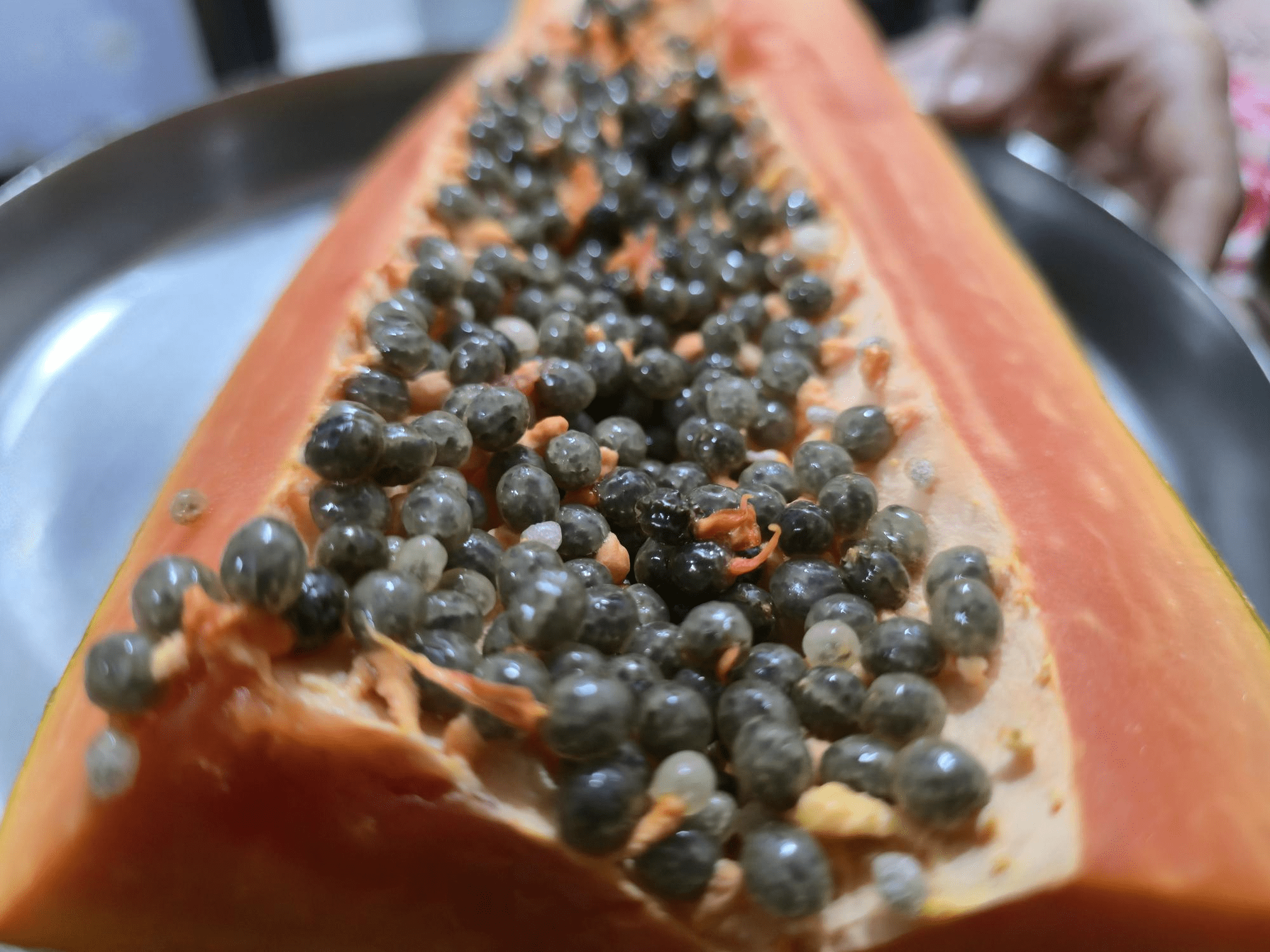
Papaya is best known for its sweet, orange flesh, but nutritionally, the story doesn’t end there. The seeds—often scraped out and discarded—contain a concentrated mix of natural compounds that researchers and traditional wellness systems have studied for decades.
These seeds are rich in:
Papain, a natural enzyme associated with protein breakdown
Polyphenols and flavonoids, plant compounds known for antioxidant activity
Vitamin C, which supports connective tissue health
Healthy fats and fiber, contributing to overall balance
Research interest around papaya seeds often focuses on their antioxidant and inflammation-modulating properties. In laboratory and animal studies, extracts from Carica papaya seeds have been observed to influence markers linked with oxidative stress and inflammatory responses.
The truth is, while these findings are still preliminary, they help explain why papaya seeds have been used traditionally in various cultures as part of daily wellness routines—especially when stiffness or physical wear becomes more noticeable with age.
The Science Behind the Buzz: What Research Suggests
Let’s slow down and look at the science carefully—without overhyping results.
Antioxidant Support and Joint Wellness
Oxidative stress occurs when free radicals outpace the body’s ability to neutralize them. Over time, this imbalance may contribute to tissue irritation and everyday discomfort. Research reviews on papaya phytochemicals note that the seeds contain strong antioxidant compounds capable of scavenging free radicals in experimental settings.
This matters because antioxidants are widely discussed in relation to long-term joint comfort and mobility support, especially as the body ages.
Anti-Inflammatory Pathways Under Study
Here’s where things get especially interesting. In animal models, papaya seed extracts have been shown to reduce swelling in common inflammation tests, such as paw edema experiments in rodents. Certain alkaloids, including carpaine, are believed to play a role in these effects.
But here’s the important part:
Most of this research comes from test-tube or animal studies, not large human trials focused specifically on knee, back, or spine discomfort. That means papaya seeds shouldn’t be viewed as a solution—but rather as a supportive habit that fits into a broader lifestyle approach.
And that leads us to the most appealing aspect of papaya seeds…
Why This Home Habit Feels So Accessible
Unlike specialty supplements or hard-to-find herbs, papaya seeds are:
Affordable
Easy to source
Already part of a common fruit
No special tools, no complicated preparation, and no drastic changes to your routine.
But that’s not all… the way you prepare them can make a big difference in how easy they are to use consistently.
How to Prepare Papaya Seeds at Home: A Step-by-Step Guide
If you’re curious to explore this habit, start gently. Many people find consistency more important than quantity.
Step 1: Choose and Collect the Seeds
Select a ripe papaya from your local market. Cut it open lengthwise and scoop out the seeds using a spoon. You’ll notice they’re coated in a slippery, gelatin-like layer.
Rinse the seeds thoroughly under cool water to remove this coating.
Step 2: Dry the Seeds Properly
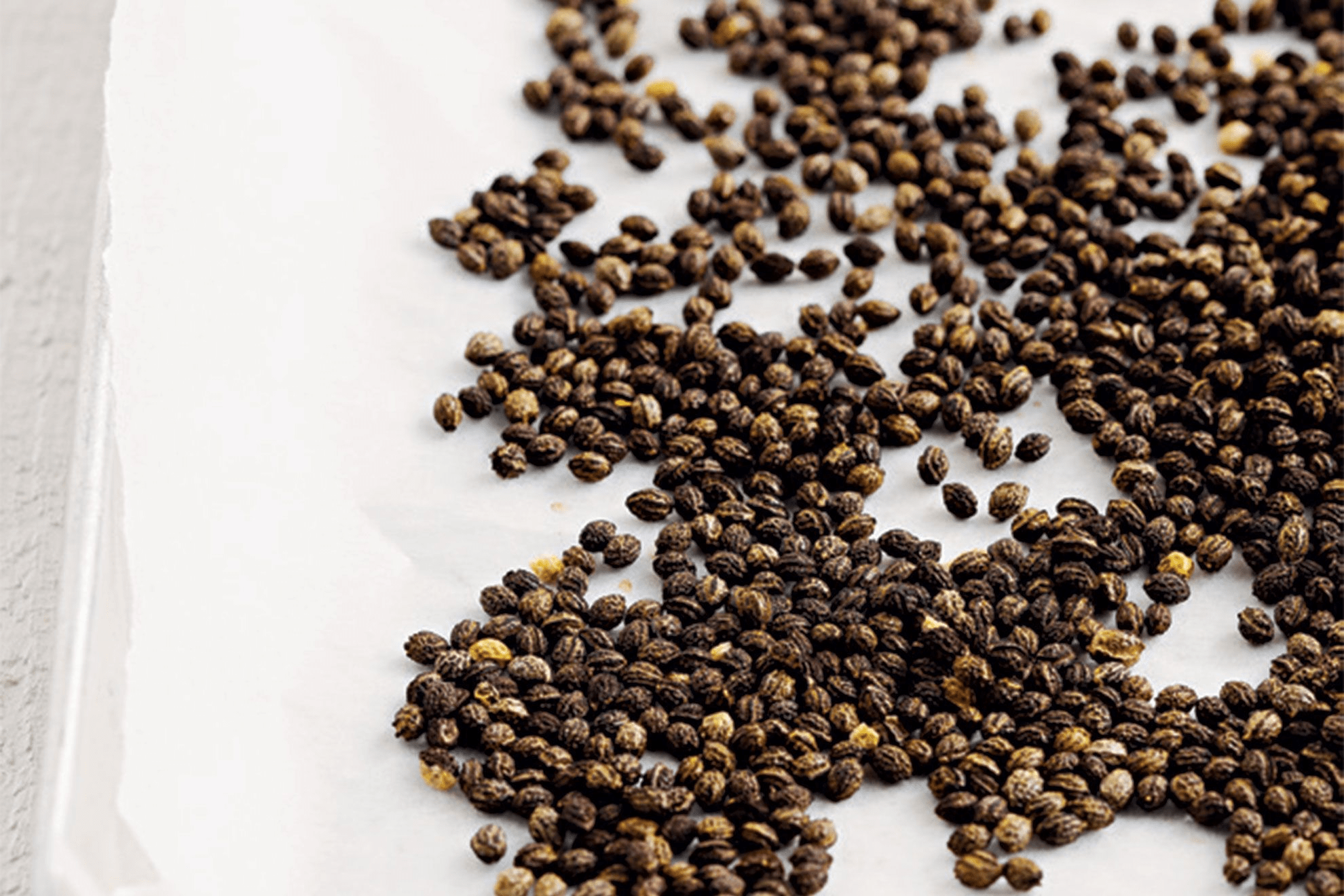
Spread the cleaned seeds in a single layer on a plate or paper towel. Place them in a warm, well-ventilated area away from direct sunlight.
Allow them to air-dry for 2–3 days, turning them once daily. When fully dry, they should feel firm and slightly crunchy.
This step is key—it improves shelf life and makes grinding easier.
Step 3: Grind into a Fine Powder
Once dry, grind the seeds using:
A coffee grinder
A blender
A mortar and pestle
Transfer the powder to an airtight glass jar. Store it in a cool, dry place. Most people use it within 3–4 weeks for freshness.
Step 4: How to Use Papaya Seed Powder Daily
Start small. A common starting range is ½ to 1 teaspoon per day.
You can mix it into:
Smoothies (the flavor is peppery and bold)
Salad dressings
Warm water or herbal tea with a drizzle of honey
Some people prefer chewing a few dried seeds directly, though the taste can be strong—similar to black pepper.
Optional: Traditional Topical Exploration
Here is the most interesting part for some readers. In traditional practices, crushed papaya seeds have sometimes been mixed with a carrier oil (like coconut oil) and applied externally.
If you explore this:
Use a small amount
Apply gently
Leave on for 15–20 minutes
Rinse thoroughly
Always do a patch test first. Evidence for topical use is anecdotal, but some people enjoy it as part of a relaxation ritual.
Supporting Joint Comfort Goes Beyond One Ingredient
Papaya seeds work best when paired with other daily habits that support joint resilience.
Consider combining them with:
Gentle movement (walking, stretching, swimming)
Adequate hydration
A diet rich in colorful fruits and vegetables
Proper sleep and stress management
Here’s a quick comparison with other commonly used seeds:
Variety supports balance—and balance supports long-term comfort.
Important Considerations Before Starting
Before adding papaya seeds to your routine, keep these points in mind:
Moderation matters: Large amounts may cause digestive upset
Special situations: If you’re pregnant, breastfeeding, or taking medications (especially blood thinners), speak with a healthcare professional first
Listen to your body: Discontinue if you notice discomfort or unusual reactions
This approach is about curiosity and gentle support—not quick results.
Final Thoughts: Small Habits Can Add Up
Joint discomfort doesn’t appear overnight, and it rarely improves from one change alone. But exploring simple, food-based habits—like incorporating papaya seeds—can feel empowering.
These tiny seeds offer antioxidants, enzymes, and plant compounds that align with broader discussions around joint comfort and aging well. With minimal cost and effort, they may become a small but meaningful addition to your routine.
And sometimes, it’s those overlooked details—like the seeds we usually throw away—that spark the most interesting discoveries.
Frequently Asked Questions
Are papaya seeds safe to consume daily?
In small amounts (about ½–1 teaspoon per day), many people tolerate them well. Start low and observe how your body responds.
Can papaya seeds support knee, back, and spine comfort?
Research suggests antioxidant and inflammation-related properties, but evidence in humans is limited. They are best viewed as a supportive dietary habit.
How long does it take to notice any changes?
Experiences vary. Some people report subtle differences after 2–4 weeks when combined with consistent movement and balanced nutrition.
Medical Disclaimer
This article is for informational purposes only and does not provide medical advice. Papaya seeds are not intended to diagnose, treat, cure, or prevent any disease. Always consult a qualified healthcare provider before making changes to your diet or routine, especially if you have existing health conditions or take medications. Individual responses may vary.
Comentários
Postar um comentário