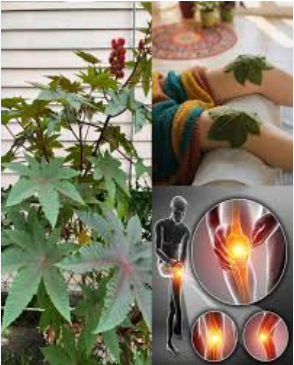
 Most people underestimate the power of these leaves, they have no idea how powerful they are...


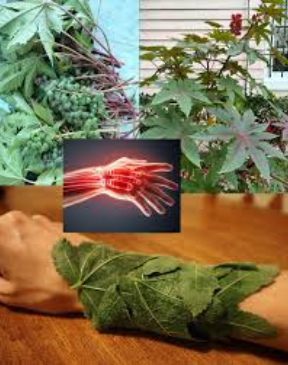
At first glance, this plant may look like nothing more than an ordinary garden shrub. With its large, star-shaped green leaves and striking red seed clusters, it often grows quietly along fences, roadsides, or in backyards. Yet for generations, many traditional communities have believed that these very leaves hold powerful natural properties — especially for joint and leg discomfort.
The plant shown in the image appears to be the castor plant (Ricinus communis). While most people are familiar with castor oil, fewer realize that the leaves themselves have also been used in traditional external applications.
In the second part of the image, the leaves are placed directly on the legs. This reflects a common folk remedy practice. Typically, fresh leaves are washed thoroughly, sometimes gently warmed, and then laid over painful or swollen areas — especially the knees. The leaves may be secured with cloth and left in place for a period of time. The warmth, combined with the plant’s natural compounds, is believed to create a soothing effect.
The third image highlights knee joint pain, showing inflammation inside the joint. Knee discomfort can result from many causes, including:
Age-related cartilage wear
Inflammation
Arthritis
Muscle strain
Poor circulation
Prolonged standing or overuse
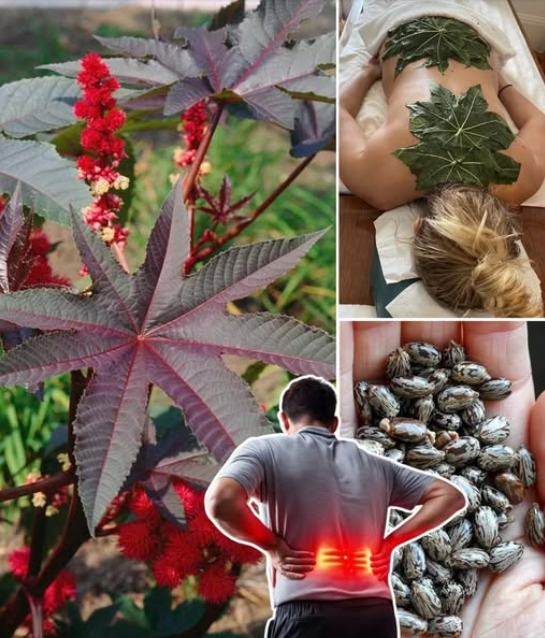
In traditional wellness practices, leaf compresses are thought to help support blood flow and temporarily ease stiffness. Some believe the natural plant compounds may have mild anti-inflammatory properties when applied externally.
Scientifically speaking, the castor plant is known for ricinoleic acid, a compound found mainly in castor oil, which has been studied for potential anti-inflammatory and analgesic effects. This is one reason castor oil packs are sometimes used in alternative wellness routines.
However, there is a very important safety warning:
The castor plant also contains toxic substances, particularly ricin, which is found in high concentrations in the seeds. Ricin is extremely poisonous if ingested. Therefore:
The leaves should only be used externally.
The seeds should never be consumed.
The plant should be handled carefully.
Medical advice should be sought before trying herbal treatments, especially for people with medical conditions, pregnant women, or those taking medication.
It is also important to understand that while traditional remedies may provide temporary comfort, they do not cure serious joint diseases or replace professional medical treatment. Chronic knee pain, swelling, or mobility problems require proper medical evaluation.
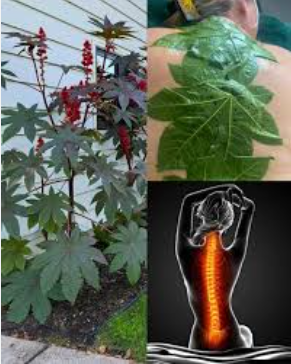
The deeper message behind the image is about awareness. Many people overlook simple plants growing around them, unaware of their historical use in traditional healing practices. Nature can offer supportive tools — but wisdom, research, and caution are essential.
In conclusion, this plant’s leaves have long been used in folk traditions to help soothe joint discomfort and improve circulation when applied externally. However, they must be used responsibly and never as a substitute for medical care. True health comes from combining traditional knowledge with modern science and professional guidance.
Comentários
Postar um comentário