
Kidney patients! 4 proteins you should eat and 6 you should never touch... To keep receiving my recipes, just say something... Thank you!

 Kidney Patients: 4 Proteins You Should Eat — and 6 to Limit or Avoid

If you have kidney disease, protein choices matter more than you think.
Your kidneys are responsible for filtering waste products created when your body breaks down protein. When kidney function declines, too much or the wrong type of protein can place extra strain on them.
But here’s the key: you don’t need to eliminate protein — you need to choose wisely.
Below are kidney-friendly protein options — and others that should be limited or avoided depending on your condition. (Always follow your doctor or dietitian’s guidance.)
✅ 4 Better Protein Choices for Kidney Patients
1. Egg Whites


Egg whites provide high-quality protein with very low phosphorus. They are one of the best protein options for people with kidney disease.
✔ Low in phosphorus
✔ Easy to digest
✔ Versatile for meals
2. Skinless Chicken (Moderate Portions)


Lean poultry provides essential amino acids without excessive saturated fat.


✔ Choose baked or grilled
✔ Avoid frying
✔ Control portion size
3. Fish (Especially Salmon, Tilapia, Cod)
Fish provides high-quality protein and omega-3 fatty acids, which may support heart health — important for kidney patients.
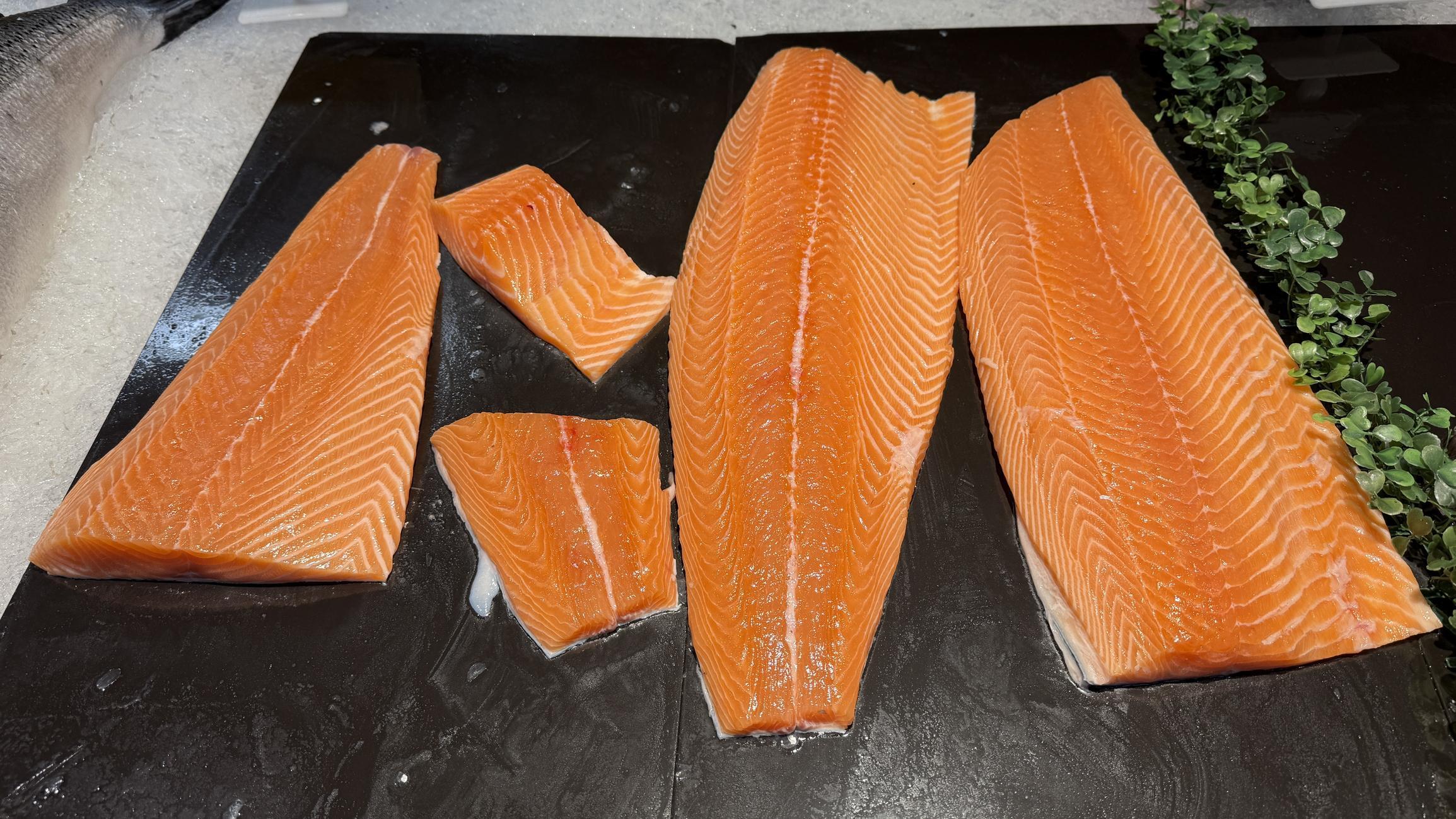
(It should be cleaned thoroughly to remove parasites.)
✔ Bake or steam
✔ Avoid heavy sauces
✔ Watch portion sizes
4. Plant-Based Proteins (Carefully Selected)
Some plant proteins like tofu or small portions of lentils can be included — depending on potassium and phosphorus levels.
✔ Work with a renal dietitian
✔ Monitor lab values
❌ 6 Proteins Kidney Patients Should Limit or Avoid
These foods can be high in sodium, phosphorus, or saturated fat — all of which can stress the kidneys.
1. Processed Meats
(Bacon, sausage, hot dogs, deli meats)


❌ Extremely high in sodium
❌ Often contain phosphorus additives
2. Red Meat (Large Portions)
(Beef, lamb, pork)
❌ Higher waste load on kidneys
❌ Should be limited, especially in advanced kidney disease
3. Organ Meats
(Liver, kidney)
❌ Very high in phosphorus
❌ Can overload compromised kidneys
4. Processed Protein Powders (Without Medical Supervision)
❌ Often contain added phosphorus
❌ May exceed safe protein limits
5. Salted or Smoked Fish


❌ High sodium content
❌ Increases fluid retention and blood pressure
6. Fast Food Protein Meals


❌ High sodium
❌ High saturated fat
❌ Large portion sizes
Important Reminder
Protein needs vary based on:
Stage of kidney disease
Dialysis status
Lab results
Individual body weight
Some kidney patients actually need more protein (especially those on dialysis), while others need controlled intake.
There is no “one-size-fits-all” kidney diet.
lways consult:

Do not hold back from going to the toilet.
✔ Your nephrologist

Comments

Popular posts from this blog

The Solar Anchor: 7 Signs of a Vitamin D Drought

  Many of us grew up calling Vitamin D the sunshine vitamin, and that old wisdom still holds true. As the years pass, our bodies become a little less efficient at turning sunlight into this essential nutrient, and it can quietly slip below where we need it to be. When that happens, everyday comfort, energy, and resilience can feel like they are moving into a long winter. You don’t have to accept that as the new normal. By understanding how Vitamin D supports bones, muscles, mood, and immunity, you can take steady, sensible steps to bring your spark back. Think of Vitamin D as a steady anchor between your body and the light. It helps your gut pull calcium from food, it keeps bones strong, it supports muscle strength, and it even plays a role in how your immune system learns to respond. Low levels can look and feel like many other issues, which is why people sometimes chase remedies for fatigue, mood, or aches without realizing that their Vitamin D “anchor” has loosened. The signs be...

Olejek goździkowy dla skóry: domowy przepis na nawilżenie i poprawę blasku.

  Drobne zmarszczki, suchość i matowy wygląd to częste zmiany skórne, zwłaszcza związane z wiekiem, częstą ekspozycją na słońce, niedostatecznym nawilżeniem i stosowaniem agresywnych produktów. Dlatego proste przepisy z wykorzystaniem olejów roślinnych często trafiają do osób ceniących naturalną i ekonomiczną pielęgnację. Jednym z najpopularniejszych połączeń jest olejek goździkowy z oliwą z oliwek lub olejem jojoba. Chociaż w mediach społecznościowych często nazywany jest „olejem botoksowym”, to nazwa ta jest jedynie popularnym porównaniem. Mieszanka nie zastępuje toksyny botulinowej ani nie wygładza zmarszczek. Jej główny efekt kosmetyczny wynika z nawilżenia zapewnianego przez olej roślinny, który może tymczasowo zmiękczyć skórę, rozjaśnić ją i zredukować widoczność zmarszczek. Przepis na olejek goździkowy do twarzy. siekać 1 łyżka całych goździków 3 łyżki oleju jojoba lub oliwy z oliwek extra virgin 1 mała szklana butelka, czysta i sucha. Olej jojoba jest zazwyczaj najdelikatni...

Lekarze ukrywają szokującą moc oleju rycynowego w wygładzaniu oczu

  Olej rycynowy jest promowany jako butelka, która może przywrócić ostrość widzenia zamglonym oczom, uspokoić zaschnięty brud wokół powiek i sprawić, że zmęczone oczy znów będą ostre. To twierdzenie — i jest ono bezpodstawne, bo każdy, kto budzi się z zamglonymi powiekami, lepkimi rzęsami lub uczuciem zamglenia i półotwartych powiek, doskonale wie, jak okropne to jest. Późnym popołudniem oczy są podrapane, suche i przemęczone, jakby patrzyły przez kurz zamiast przez powietrze. Pocierasz je, mrugasz mocno, a świat i tak wydaje się lekko rozmazany, jakby tłusty odcisk palca przeciągnął się po soczewce twojego dnia. To, co ta gigantyczna machina do pielęgnacji oczu ledwo szepcze, to fakt, że twoje oczy nie potrzebują więcej zabiegów – potrzebują, aby powierzchnia przestała wysychać, a cienka warstwa ochronna nie zapadała się pod wpływem nacisku. Właśnie tutaj olej rycynowy skupia na sobie całą uwagę: nie jako cud, ale jako gruba, uszczelniająca tarcza, która zmienia zachowanie powierz...