Health Warning from Doctor: These 4 Foods Are Full of Parasites — Skip Them Today 😳🙏 More details below hhh
Health Alert from Doctors: These 4 Foods Can Carry Parasites — Here’s What You Should Know
Food safety is something we often take for granted. However, certain foods — especially when eaten raw or undercooked — can carry parasites that pose real health risks. Doctors and food safety experts consistently warn that proper handling and preparation are critical.
Before you panic: this does not mean you must completely avoid these foods forever. It means you need to understand the risks and prepare them safely.
Here are four foods that are more commonly associated with parasitic contamination:
1. Raw or Undercooked Fish (Especially Sushi and Sashimi)
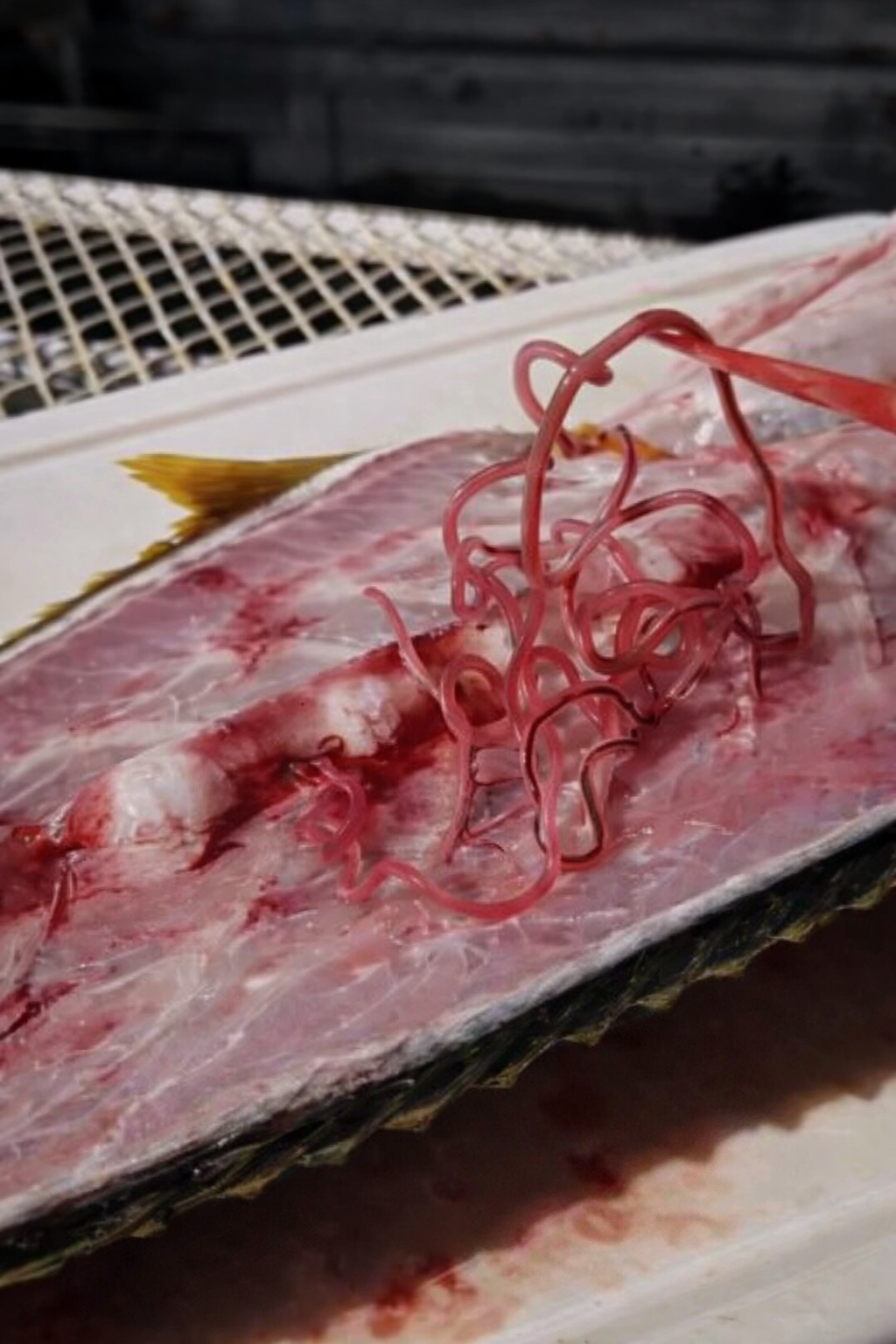
Raw fish can sometimes carry parasites such as Anisakis worms. These parasites can cause symptoms like:
Severe stomach pain
Nausea and vomiting
Diarrhea
Allergic reactions in some cases
Reputable restaurants freeze fish at very low temperatures before serving it raw, which kills most parasites. The risk is much higher when consuming improperly handled or homemade raw fish.
Tip: If eating sushi, choose trusted, licensed establishments that follow food safety regulations.
2. Raw or Undercooked Meat (Beef and Pork)
Undercooked meat may contain parasites such as:
Tapeworms
Trichinella (in pork)
Toxoplasma
These infections can lead to digestive problems and, in severe cases, more serious complications.
Tip: Always cook meat to safe internal temperatures:Beef: at least 63°C (145°F) with rest time
Pork: at least 71°C (160°F)
Ground meats: 71°C (160°F)
3. Raw Shellfish (Oysters, Crab, Shrimp)
Shellfish filter large amounts of water and can accumulate parasites, bacteria, and viruses from contaminated environments.
Eating raw shellfish may increase the risk of foodborne illness, especially for:
Pregnant women
Elderly individuals
People with weakened immune systems
Tip: Cook shellfish thoroughly until shells open and flesh is firm.
4. Unwashed Fruits and Vegetables
Parasite eggs and microscopic organisms can stick to produce grown in soil or exposed to contaminated water.
Examples include:
Leafy greens
Carrots
Berries
Tip:
Wash produce thoroughly under running water
Peel when possible
Avoid cross-contamination in the kitchen
Important: Don’t Fall for Fear-Based Headlines
Not every piece of meat or fish is “full of parasites.” Modern food safety systems, proper freezing, cooking, and hygiene dramatically reduce risks.
The real danger isn’t the food itself — it’s improper handling and preparation.
Protect Yourself With These Simple Rules
✔ Cook meat properly
✔ Freeze fish before eating raw
✔ Wash produce thoroughly
✔ Buy food from reputable sources
✔ Store food at safe temperatures
Food safety awareness is powerful — but panic is not necessary.
Stay informed. Stay cautious. Stay healthy.
Why Parasites Are So Dangerous
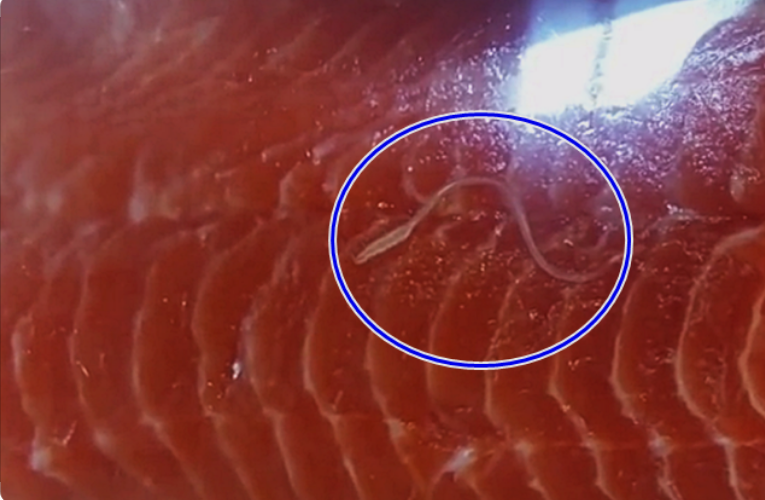
The most frightening thing about parasites is that they can remain hidden in the body for a long time. Many people may not notice strong symptoms at first. Instead, they may experience signs that seem normal or easy to ignore, such as:
Constant tiredness
Sudden weight changes
Bloating and stomach discomfort
Skin problems
Loss of appetite
Digestive issues
Weak immunity
Over time, parasites can steal nutrients from the body, weaken the immune system, and create long-term health problems.
How to Protect Yourself
The good news is that you can greatly reduce your risk with simple habits:
✅ Cook meat and seafood thoroughly
✅ Wash all fruits and vegetables carefully
✅ Avoid eating raw shellfish
✅ Choose trusted restaurants for sushi and raw dishes
✅ Store food safely and keep your kitchen clean
✅ Drink clean and safe water
Small actions can make a big difference in preventing infections and protecting your health.
Conclusion
Parasites are not something people like to talk about, but they are a real health danger that should not be ignored. Many popular foods may contain hidden parasites if they are raw, undercooked, or not cleaned properly. That is why doctors are warning people to be cautious and stop eating
Comentários
Postar um comentário