A 97-year-old orthopedic surgeon reveals: ONLY ONE green food can regenerate knee cartilage in just 24 hours! hn
Many people over 50 experience discomfort in their knees during everyday activities like walking stairs, getting up from a chair, or even standing for longer periods. This often stems from gradual wear on the cartilage that cushions the joint, leading to stiffness, reduced mobility, and frustration that impacts quality of life. The constant ache can make simple tasks feel exhausting and limit the enjoyment of time with family or hobbies.Food
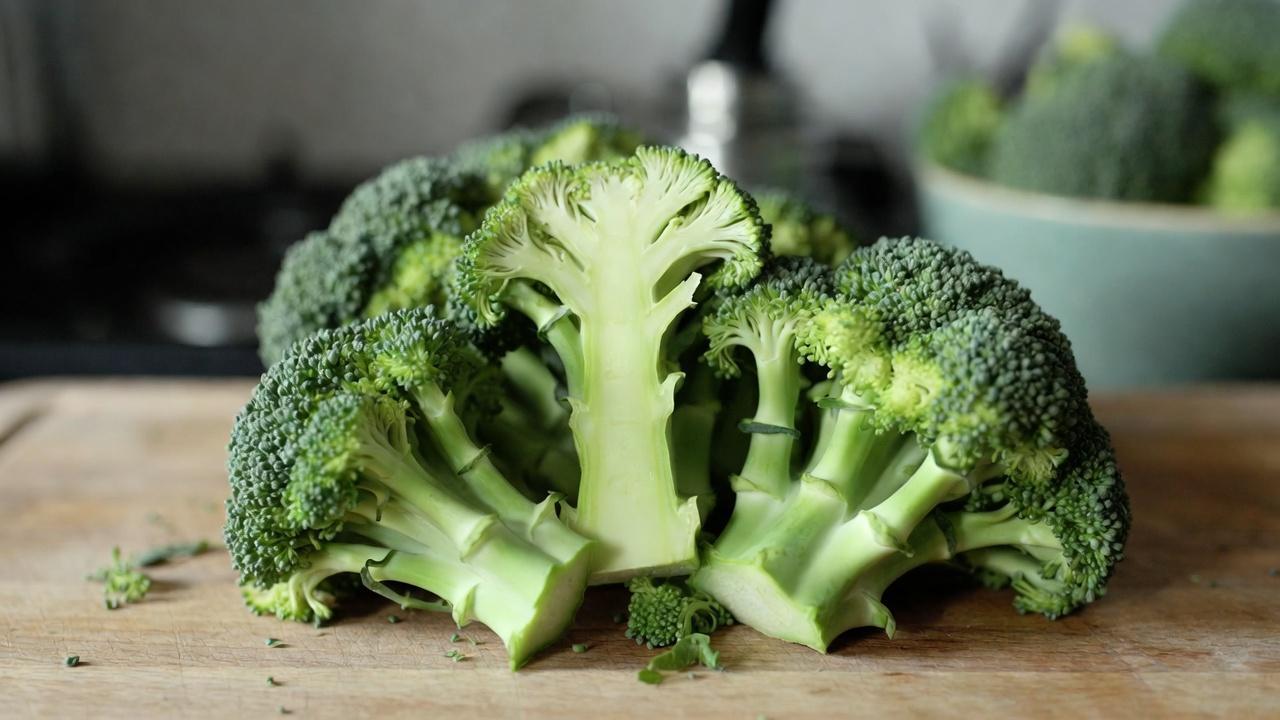
Research highlights how nutrition plays a supportive role in joint wellness. Certain nutrient-rich foods, particularly green vegetables, provide vitamins and compounds that help maintain healthy cartilage and reduce inflammation over time. In this article, we’ll explore one standout green option that stands out for its potential benefits—broccoli—and share practical ways to incorporate it into your routine.
But there’s more to discover about how everyday choices can make a difference…
Why Joint Comfort Matters as We Age
Knee cartilage acts as a natural shock absorber between bones. Unlike many tissues, it has limited blood supply, so supporting it through diet becomes especially important. Studies suggest that consistent intake of key nutrients can contribute to better joint function and comfort.
Vitamin C, for instance, supports collagen production—a major building block of cartilage. Vitamin K helps regulate proteins involved in bone and joint health. Antioxidants combat oxidative stress that can affect joint tissues.Fruits & Vegetables
The Power of Green Vegetables for Joint Support
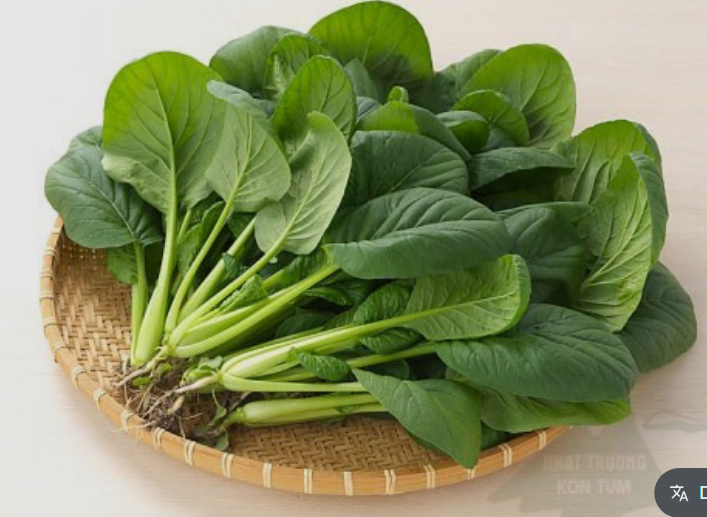
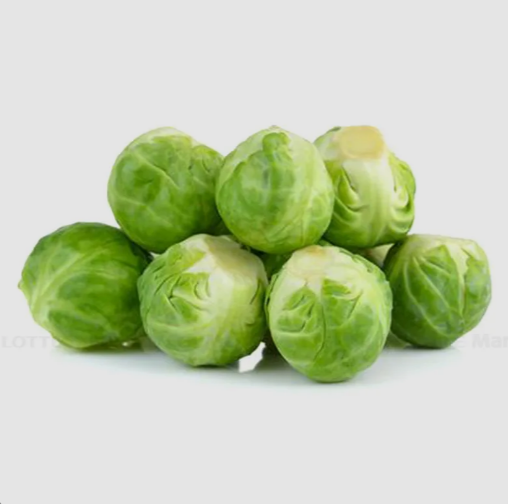
Leafy greens and cruciferous vegetables rank highly in recommendations for joint-friendly eating. Foods like spinach, kale, Brussels sprouts, and broccoli deliver a combination of these helpful elements.
Among them, broccoli often receives special attention. It’s loaded with sulforaphane, a compound researched for its anti-inflammatory properties. Research indicates sulforaphane may help protect cartilage cells and support overall joint environment.
Broccoli also offers high levels of vitamin C (more than many fruits in some servings) and vitamin K. These nutrients align with findings from sources like the Arthritis Foundation, which note that vitamin-rich greens can play a part in preserving joint health.
Here’s what makes broccoli particularly noteworthy:Vitamins & Supplements
Rich in sulforaphane: Lab studies show this compound may inhibit enzymes that break down cartilage.
High vitamin C content: Supports natural collagen formation for tissue maintenance.
Abundant vitamin K: Linked to healthier bone density and reduced inflammation markers.
Antioxidant boost: Helps neutralize free radicals that contribute to joint stress.
Low-calorie, high-fiber: Aids overall weight management, which reduces pressure on knees.
How Broccoli Compares to Other Greens
Many greens offer joint benefits, but broccoli provides a unique profile. Let’s compare a few common options:Health
Broccoli: Excellent sulforaphane + high vitamin C/K combo.
Kale: Very high in vitamin K, great for bone support, but slightly lower in sulforaphane.
Spinach: Packed with antioxidants and vitamin K, easy to add raw or cooked.
Brussels sprouts: Similar to broccoli in sulforaphane, good vitamin K source.
Incorporating a variety keeps meals interesting while maximizing nutrient intake.
Simple Ways to Add More Broccoli to Your Day
You don’t need complicated recipes to benefit. Here are actionable steps to include broccoli regularly:Fruits & Vegetables
Steam it lightly — Steam florets for 4-5 minutes to preserve nutrients. Drizzle with olive oil and a squeeze of lemon for flavor.
Roast for crunch — Toss with a bit of garlic and herbs, roast at 400°F (200°C) for 20 minutes until edges crisp.
Blend into smoothies — Add raw florets to fruit smoothies (the mild taste blends well with banana or apple).
Make a simple salad — Chop raw broccoli, mix with nuts, seeds, and a light vinaigrette.
Soup base — Puree cooked broccoli into creamy soups for an easy nutrient boost.
Aim for 2-3 servings per week to start, then build up as it fits your preferences. Consistency matters more than perfection.
Preparation Tips to Get the Most from Broccoli
To unlock sulforaphane, chop broccoli and let it sit for 10-40 minutes before cooking. This activates the enzyme myrosinase, which converts precursors into the active compound.
Light steaming or eating raw preserves more vitamins than boiling. Avoid overcooking,
Comentários
Postar um comentário