
21 Reasons You Should Grow a Pigweed Plant in Your Garden 👇… See more

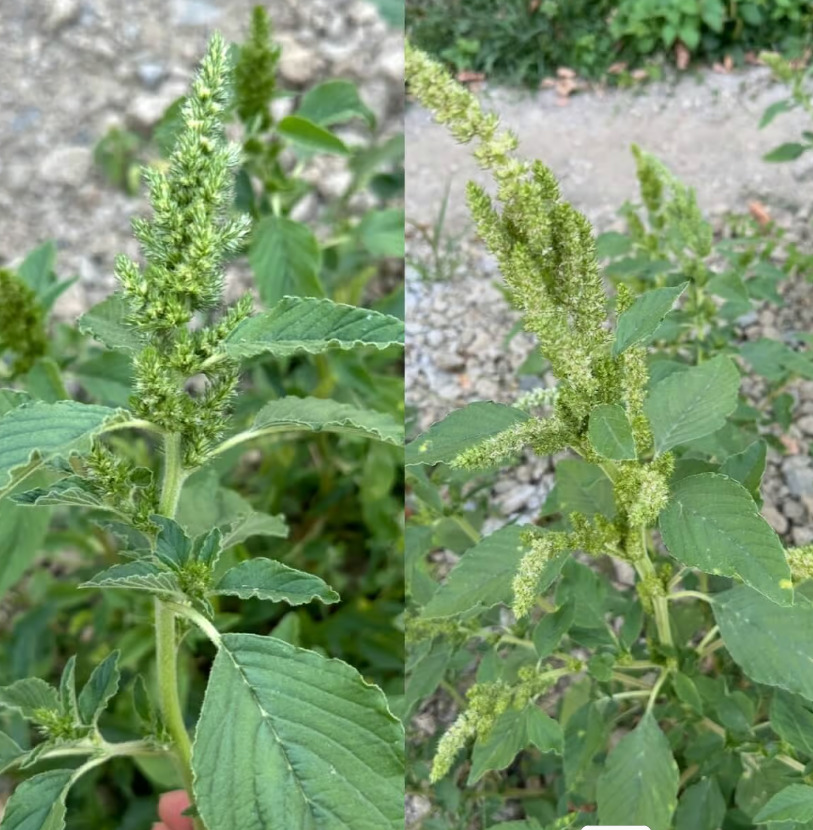
 Pigweed (from the Amaranthus family) is often considered a common weed — but it’s actually a nutrient-dense, resilient, and highly useful plant. In many cultures around the world, pigweed has been valued as both food and medicine for centuries.

Here are 21 powerful reasons to grow pigweed in your garden:

 

🌱 1. Rich in Nutrients

Pigweed leaves are packed with vitamins A, C, and K, plus iron, calcium, and magnesium.

💪 2. High in Protein

Unlike many leafy greens, pigweed contains a surprisingly high amount of plant-based protein.

🌾 3. Edible Leaves

The young leaves are tender and can be cooked like spinach or added to soups and stir-fries.

🌰 4. Edible Seeds

Pigweed seeds are tiny but nutritious — similar to quinoa and other amaranth grains.

❤️ 5. Supports Heart Health

Its potassium and fiber content may help support healthy blood pressure.

🩸 6. Supports Healthy Blood

Iron content can contribute to red blood cell production.

🦴 7. Good for Bones

Calcium and vitamin K help support bone strength.

🌿 8. Natural Antioxidants

Pigweed contains plant compounds that help fight oxidative stress.

🌞 9. Easy to Grow

It grows quickly and thrives in poor soil conditions.

💧 10. Drought Tolerant

Pigweed survives hot and dry climates better than many vegetables.

🐝 11. Attracts Beneficial Insects

The flowers can help attract pollinators to your garden.

🌍 12. Improves Soil

Deep roots help break up compacted soil.

🥗 13. Versatile in Cooking

Steam it, sauté it, blend it into smoothies, or add to omelets.

🛡 14. Traditionally Used in Herbal Practices

In some traditional systems, pigweed has been used to support digestion and overall wellness.

🌱 15. Fast Harvest

You can harvest young leaves within weeks.

🐓 16. Great Animal Feed

Chickens and livestock enjoy pigweed as a natural supplement.

💰 17. Saves Money

It grows freely — no expensive seeds required.

🌾 18. Produces Abundant Seeds

One plant can produce thousands of seeds for future planting.

🧘 19. Supports Digestive Health

Its fiber content may help maintain healthy digestion.

🥬 20. Alternative to Spinach

If spinach struggles in your climate, pigweed is a hardy substitute.

🌿 21. A Forgotten Superfood

Many gardeners overlook it — but it’s a traditional green in many cultures worldwide.

⚠️ Important Note

Some varieties of pigweed may contain higher levels of oxalates or nitrates, especially if grown in heavily fertilized soil. Always harvest young leaves and cook them well. If you have kidney issues, consult a healthcare professional before consuming regularly.


Comments

Popular posts from this blog

The Solar Anchor: 7 Signs of a Vitamin D Drought

  Many of us grew up calling Vitamin D the sunshine vitamin, and that old wisdom still holds true. As the years pass, our bodies become a little less efficient at turning sunlight into this essential nutrient, and it can quietly slip below where we need it to be. When that happens, everyday comfort, energy, and resilience can feel like they are moving into a long winter. You don’t have to accept that as the new normal. By understanding how Vitamin D supports bones, muscles, mood, and immunity, you can take steady, sensible steps to bring your spark back. Think of Vitamin D as a steady anchor between your body and the light. It helps your gut pull calcium from food, it keeps bones strong, it supports muscle strength, and it even plays a role in how your immune system learns to respond. Low levels can look and feel like many other issues, which is why people sometimes chase remedies for fatigue, mood, or aches without realizing that their Vitamin D “anchor” has loosened. The signs be...

Olejek goździkowy dla skóry: domowy przepis na nawilżenie i poprawę blasku.

  Drobne zmarszczki, suchość i matowy wygląd to częste zmiany skórne, zwłaszcza związane z wiekiem, częstą ekspozycją na słońce, niedostatecznym nawilżeniem i stosowaniem agresywnych produktów. Dlatego proste przepisy z wykorzystaniem olejów roślinnych często trafiają do osób ceniących naturalną i ekonomiczną pielęgnację. Jednym z najpopularniejszych połączeń jest olejek goździkowy z oliwą z oliwek lub olejem jojoba. Chociaż w mediach społecznościowych często nazywany jest „olejem botoksowym”, to nazwa ta jest jedynie popularnym porównaniem. Mieszanka nie zastępuje toksyny botulinowej ani nie wygładza zmarszczek. Jej główny efekt kosmetyczny wynika z nawilżenia zapewnianego przez olej roślinny, który może tymczasowo zmiękczyć skórę, rozjaśnić ją i zredukować widoczność zmarszczek. Przepis na olejek goździkowy do twarzy. siekać 1 łyżka całych goździków 3 łyżki oleju jojoba lub oliwy z oliwek extra virgin 1 mała szklana butelka, czysta i sucha. Olej jojoba jest zazwyczaj najdelikatni...

Lekarze ukrywają szokującą moc oleju rycynowego w wygładzaniu oczu

  Olej rycynowy jest promowany jako butelka, która może przywrócić ostrość widzenia zamglonym oczom, uspokoić zaschnięty brud wokół powiek i sprawić, że zmęczone oczy znów będą ostre. To twierdzenie — i jest ono bezpodstawne, bo każdy, kto budzi się z zamglonymi powiekami, lepkimi rzęsami lub uczuciem zamglenia i półotwartych powiek, doskonale wie, jak okropne to jest. Późnym popołudniem oczy są podrapane, suche i przemęczone, jakby patrzyły przez kurz zamiast przez powietrze. Pocierasz je, mrugasz mocno, a świat i tak wydaje się lekko rozmazany, jakby tłusty odcisk palca przeciągnął się po soczewce twojego dnia. To, co ta gigantyczna machina do pielęgnacji oczu ledwo szepcze, to fakt, że twoje oczy nie potrzebują więcej zabiegów – potrzebują, aby powierzchnia przestała wysychać, a cienka warstwa ochronna nie zapadała się pod wpływem nacisku. Właśnie tutaj olej rycynowy skupia na sobie całą uwagę: nie jako cud, ale jako gruba, uszczelniająca tarcza, która zmienia zachowanie powierz...